Olympus (Greece) vs. Olympos (Turkey): Understanding the Ancient Sites
Two famous ancient sites, similar names, completely different places. Here's everything you need to know to avoid confusion and plan the right trip.
What It Is
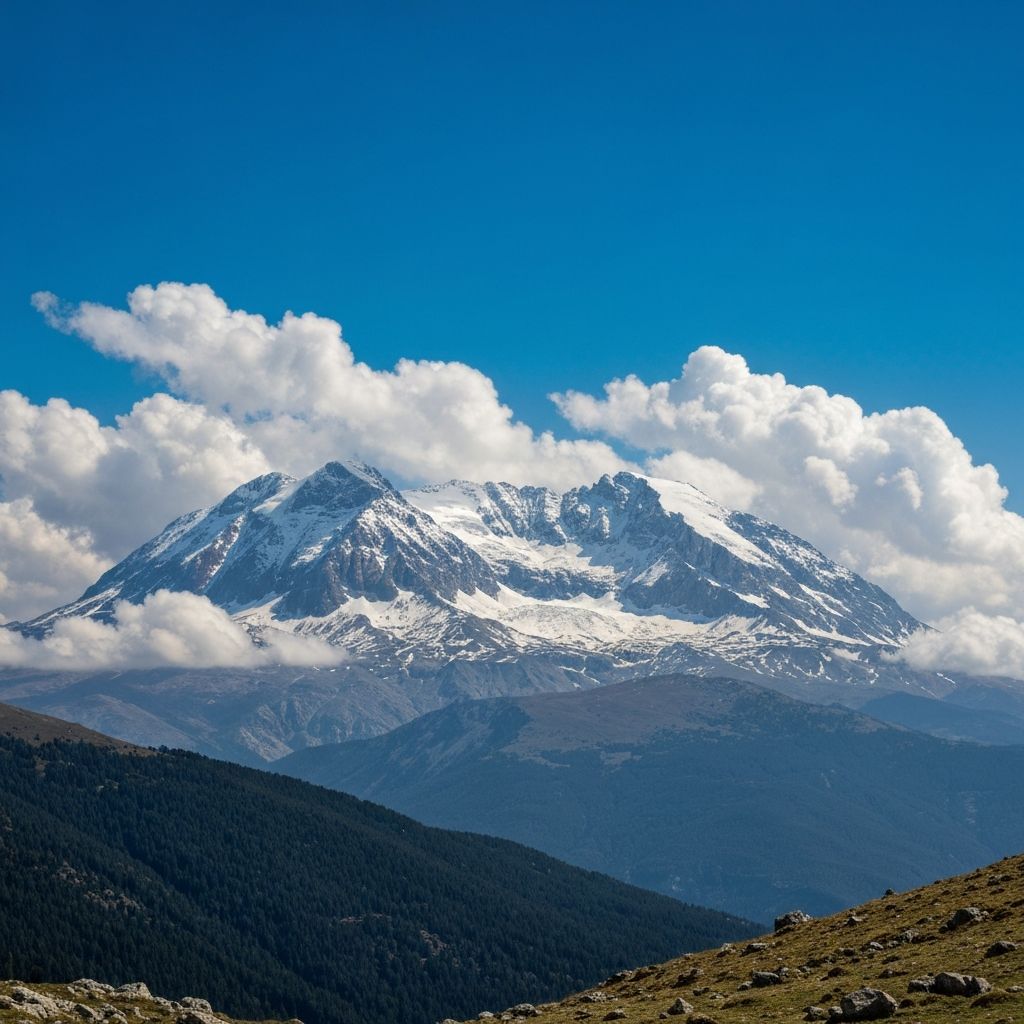
Mount Olympus is Greece's highest mountain at 2,917 meters. In Greek mythology, it was believed to be the home of the twelve Olympian gods, ruled by Zeus. The mountain sits on the border between Thessaly and Macedonia in northern Greece.
Mythology and Significance
Ancient Greeks believed the mountain's perpetually cloud-covered peak was where the gods lived in golden palaces, feasting on ambrosia and nectar. The name "Olympus" became synonymous with divine residence and celestial power.
Visiting Today
Today, Mount Olympus is a UNESCO Biosphere Reserve and popular hiking destination. The main peak, Mytikas, can be climbed in about 6-8 hours from the base. The surrounding national park offers various trails for all skill levels.
What It Is
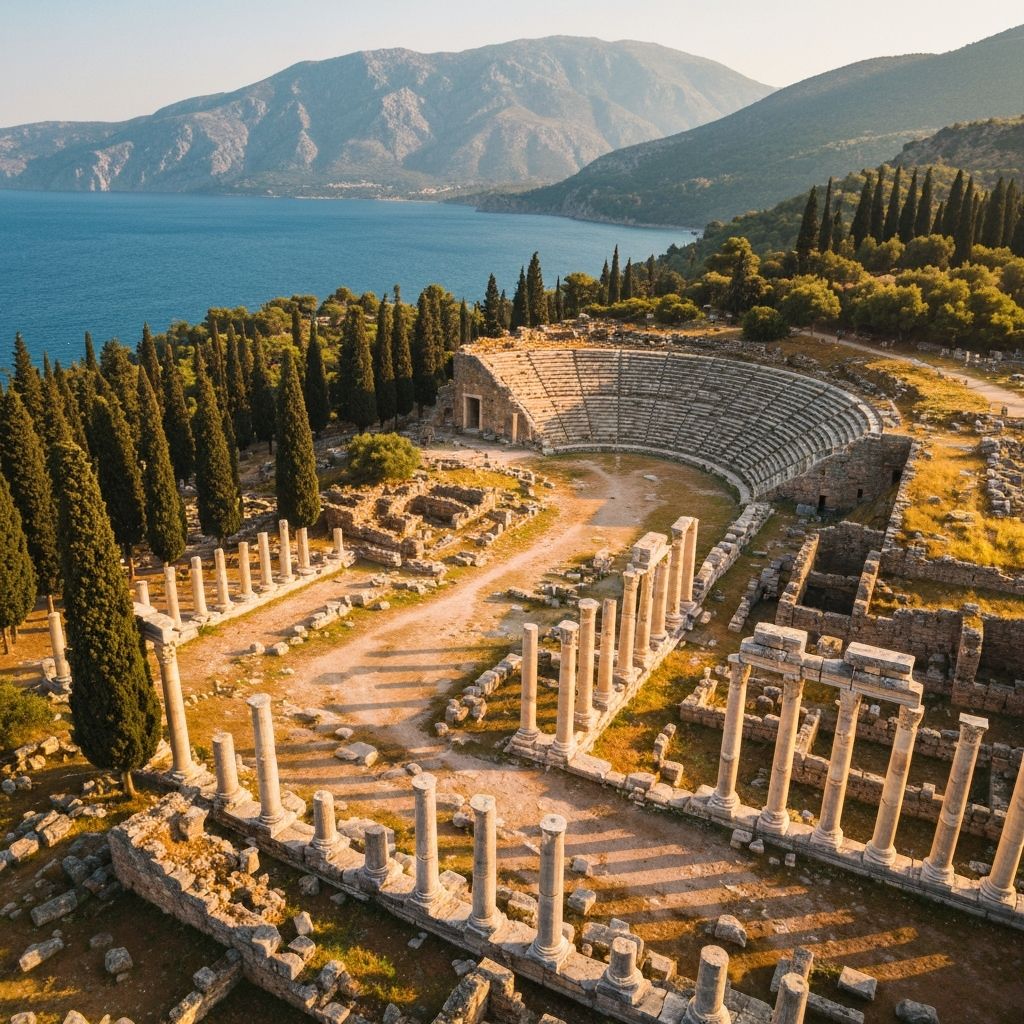
Olympos is an ancient Lycian city located on Turkey's southwestern Mediterranean coast, about 80km from Antalya. Founded around the 2nd century BC, it was a prominent member of the Lycian League and later flourished under Roman rule.
Historical Context and Lycian Origins
The city was named after the nearby Mount Olympos (Tahtali Dag), not the Greek mountain. It served as a major port city, minted its own coins, and was known for worshipping Hephaestus due to the nearby eternal flames of Chimaera.
Visiting Today
Today, visitors can explore Lycian rock tombs, Roman theatre ruins, Byzantine basilica remains, and a beautiful Mediterranean beach. The nearby Chimaera flames add a mythological dimension to the experience.
Key Differences at a Glance
| Aspect | Mount Olympus (Greece) | Olympos (Turkey) |
|---|---|---|
| Location | Northern Greece (Thessaly/Macedonia) | Southern Turkey (Antalya Province) |
| Type | Mountain (2,917m) | Ancient city ruins |
| Famous For | Home of Greek gods | Lycian port city |
| Period | Mythological significance | 2nd century BC - 15th century AD |
| Can Visit | Hiking trails, national park | Archaeological ruins, beach |
| Best For | Hiking, mythology enthusiasts | History, archaeology, beach |
Common Misconceptions Clarified
Misconception:"Olympus/Olympos refers to the same place."
Reality: These are completely separate locations in different countries, separated by about 800km of sea and land. The Greek Mount Olympus is a mountain, while the Turkish Olympos is a coastal city.
Misconception:"The Turkish Olympos was founded by Greeks from Mount Olympus."
Reality:Olympos in Turkey was founded by the Lycians, an indigenous Anatolian civilization. While influenced by Greek culture, the Lycians were a distinct people with their own language and customs. The city was named after a local mountain, continuing the Greek tradition of naming prominent peaks "Olympus."
Why Both Are Important Historical Sites
Both sites offer unique windows into the ancient Mediterranean world. Mount Olympus represents the spiritual and mythological heart of ancient Greek civilization - a place where humans believed gods dwelt and from which divine decrees shaped mortal affairs.
Olympos in Turkey, meanwhile, showcases the practical side of ancient life - a thriving port city where merchants traded, temples were built, and multiple civilizations left their marks. The nearby Chimaera flames even inspired part of Greek mythology, potentially being the origin of the fire-breathing monster legend.
Together, they demonstrate how the name "Olympus" spread throughout the ancient world as a symbol of divine presence and importance, attached to various mountains and places across the Mediterranean.
Interested in Visiting Olympos, Turkey?
Explore our comprehensive guide to the Turkish Olympos - an accessible, fascinating archaeological site with beach, ruins, and the famous eternal flames.